12 Key Benefits of a Job (And How to Maximize Them in 2025)
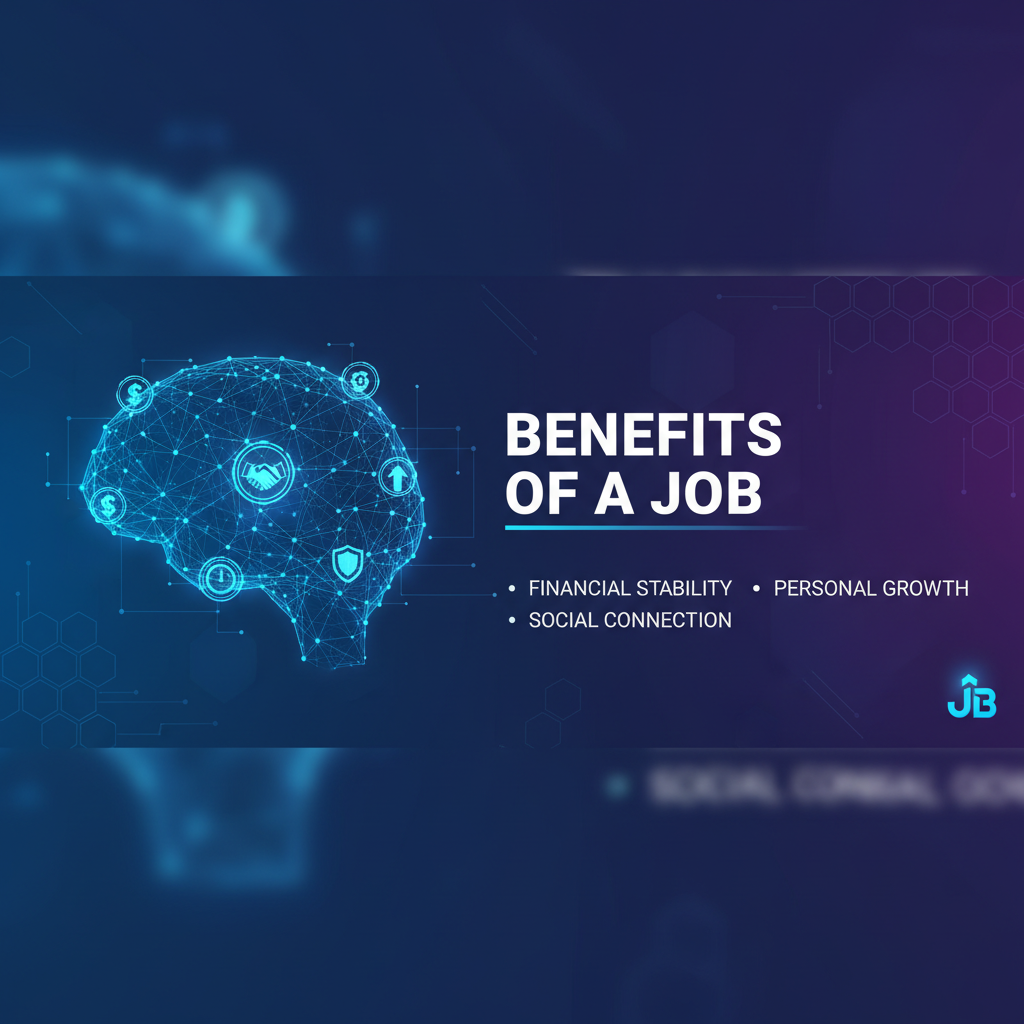
12 Key Benefits of a Job (And How to Maximize Them in 2025)
In a world that often glorifies entrepreneurship and the "gig economy," it's easy to question the value of a traditional job. Are you just trading time for money, or are there deeper, more substantial advantages to steady employment? While the allure of being your own boss is strong, the hidden benefits of a job often provide a more stable and fulfilling foundation for your life and career.
This article goes beyond the obvious paycheck. We will explore the critical, often overlooked financial, professional, and personal benefits of having a job. Unlike other guides, we'll provide actionable advice and data-backed insights to help you not only understand these benefits but actively maximize them for your long-term success.
Financial Stability: The Bedrock of Well-Being
Financial security is the most immediate and tangible advantage of employment. It's the foundation upon which other life goals are built.
1. Consistent and Predictable Income
A steady paycheck allows for effective budgeting, financial planning, and peace of mind. Knowing your income stream is reliable reduces stress and enables you to save for major life events like buying a home, investing in education, or planning for retirement.
2. Access to Employer-Sponsored Benefits
These benefits represent a significant portion of your total compensation package, often worth thousands of dollars annually.
- Health Insurance: Medical, dental, and vision coverage for you and your family.
- Retirement Plans: Employer-matching contributions to a 401(k) or pension are essentially free money for your future.
- Paid Time Off (PTO): Vacation days, sick leave, and personal days that allow you to rest and recharge without losing income.
3. Financial Leverage
A stable employment history is crucial for securing loans. Lenders are far more likely to approve mortgages, auto loans, or personal loans for individuals with a verifiable and consistent income.
Professional Growth: Building Your Career Capital
A job is one of the most effective platforms for continuous learning and career advancement. You are paid to develop skills that increase your value in the marketplace.
4. Skill Development at No Cost
Employers invest in their employees through on-the-job training, workshops, and certifications. This is a direct investment in your human capital. For example, many companies will pay for you to get certified in project management (like a PMP) or in specific software, skills that are transferable across industries.
5. Clear Path for Advancement
Unlike freelance work where growth can be unpredictable, many companies offer a structured career ladder. You can see a clear path from an entry-level position to a senior role, with defined milestones and salary increases along the way.
6. Networking and Mentorship
You are instantly connected to a network of professionals, including senior leaders who can become powerful mentors. These relationships are invaluable for career advice, new opportunities, and industry insights. A strong professional network is a key predictor of long-term career success. LinkedIn's research on network strength.
Pro-Tip: As you acquire these new skills and experiences, it's vital to document them. This is where JobSeekerTools becomes essential. Our platform helps you analyze your resume and ensures that every new skill and accomplishment is perfectly aligned with the jobs you're targeting, making sure you get full credit for your professional growth.
Personal and Psychological Well-Being
The benefits of a job extend far beyond the financial and professional realms. They play a crucial role in our mental and emotional health.
7. Structure, Routine, and Discipline
A regular work schedule provides a sense of structure and purpose to your days. This routine can be a powerful antidote to procrastination and has been shown to improve mental health by creating a predictable and stable environment.
8. Sense of Identity and Purpose
Our work is often a core part of our identity. Contributing to a team and a larger organizational goal provides a sense of purpose and accomplishment that is fundamental to human happiness. Seeing a project through from start to finish delivers a psychological reward that builds confidence and self-esteem.
9. Social Connection and Community
Work is a primary source of social interaction for most adults. It provides a built-in community, fostering friendships and a sense of belonging. These workplace relationships are critical for combating loneliness and building a supportive social fabric.
10. Improved Mental Health
The stability, purpose, and social connection that a job provides are all key contributors to positive mental health. Financial stability reduces anxiety, while a sense of purpose can protect against depression. APA's research on healthy workplaces.
Leveraging Job Benefits: A Strategic Comparison
Understanding the different types of benefits can help you make better career decisions. Here is a comparison of what to look for.
| Benefit Type | Traditional Employment (W-2) | Gig Work / Freelance (1099) |
|---|---|---|
| Income | Stable, predictable salary | Variable, based on projects |
| Taxes | Taxes withheld automatically | Responsible for self-employment tax |
| Insurance | Often employer-subsidized | Must purchase on open market |
| Retirement | Access to 401(k) with match | Must set up own (e.g., SEP IRA) |
| Training | Company-paid development | Self-funded skill development |
Conclusion: A Launchpad for Success
While the modern career landscape offers many paths, the benefits of a job remain undeniable. It provides not just financial stability, but also a powerful engine for professional growth and a deep sense of personal purpose and community. By viewing a job as a platform for development—a place to acquire skills, build a network, and create value—you transform it from a simple obligation into a strategic asset for building the life you want. The key is to be intentional and actively leverage every benefit available to you.
Key Resources
The Four Pillars of Job Benefits
This infographic visually represents the core benefits of a job, categorized into four essential pillars for overall career well-being.
1. Financial Stability
- Description: Focuses on monetary aspects and health-related benefits.
- Key Benefits (inferred from description):
- Competitive Salary and Wages
- Retirement Plans (e.g., 401(k) matching)
- Health Insurance (Medical, Dental, Vision)
- Life and Disability Insurance
- Paid Time Off (Vacation, Sick Leave, Holidays)
2. Professional Growth
- Description: Emphasizes opportunities for skill development and career advancement.
- Key Benefits (inferred from description):
- Training and Development Programs
- Tuition Reimbursement
- Mentorship Opportunities
- Networking Events and Conferences
- Career Pathing and Promotions
3. Personal Well-being
- Description: Covers benefits supporting mental, emotional, and physical health.
- Key Benefits (inferred from description):
- Wellness Programs
- Employee Assistance Programs (EAP)
- Flexible Work Arrangements (Remote, Hybrid, Flex-time)
- Mental Health Support
- Fitness Subsidies
4. Social Connection
- Description: Highlights benefits related to community and interpersonal relationships at work.
- Key Benefits (inferred from description):
- Team-building Activities
- Company Social Events
- Diversity and Inclusion Initiatives
- Collaborative Work Environment
- Recognition and Appreciation Programs
Infographic explaining the financial, professional, and personal benefits of a job for career well-being.
Are You Maximizing Your Job's Benefits?
This checklist helps you assess whether you are taking full advantage of the benefits your job offers for financial, professional, and personal well-being.
1. Financial Wellness Checklist
- 401(k)/Retirement Plan: Are you contributing enough to get the full employer match?
- Health Savings Account (HSA): Are you utilizing your HSA for medical expenses, if available?
- Insurance: Have you reviewed your health, dental, and vision insurance plans to ensure they meet your needs?
- Employee Stock Purchase Plan (ESPP): Are you participating in your company's ESPP, if offered?
2. Professional Growth Checklist
- Training & Development: Have you attended a company-paid training, workshop, or conference this year?
- Tuition Reimbursement: Have you explored using tuition reimbursement for further education or certifications?
- Networking: Have you networked with a senior leader or a mentor in the last quarter?
- Career Pathing: Have you discussed your career goals and promotion path with your manager?
3. Personal Well-being Checklist
- Paid Time Off (PTO): Have you used your vacation and personal days to rest and recharge?
- Wellness Programs: Are you participating in any company wellness challenges or programs?
- Employee Assistance Program (EAP): Are you aware of the mental health and counseling services available through your EAP?
- Flexible Work: Are you utilizing flexible work arrangements (like remote or hybrid options) if they are available and suit your needs?
A checklist of the key benefits of a job to help employees maximize their compensation and career growth.
Frequently Asked Questions
What are the main non-monetary benefits of a job?
The most significant non-monetary benefits include structured skill development, professional networking opportunities, mentorship from senior colleagues, a sense of purpose and identity, and built-in social connections that contribute to overall mental well-being.
How does having a job improve your resume for the future?
Every job provides concrete experiences, projects, and skills that serve as "career capital." A steady job demonstrates reliability, an ability to work in a team, and quantifiable achievements. For example, managing a project that increased efficiency by 15% is a powerful result you can put on a resume, which is harder to quantify in less structured work. Utilizing a tool like JobSeekerTools can help you perfectly articulate this value.
Can a job really provide better work-life balance than being self-employed?
Yes, in many cases. A traditional job often has defined working hours (e.g., 9-to-5), after which you can mentally and physically disconnect. Entrepreneurs and freelancers often face immense pressure to be "always on," blurring the lines between work and personal life and leading to higher rates of burnout.